Furnace Keeps Shutting Off? Short Cycling Explained
 By Ali Manafi
Retired air conditioning technician · 20 years’ experience · former NATE-certified technician
Try these first (5 minutes, no tools)
- Replace a dirty filter. It’s the number-one cause of a furnace that keeps shutting off.
- Open every supply vent and make sure return grilles aren’t blocked by furniture or rugs.
- Check the thermostat isn’t in direct sun, above a lamp or TV, or next to a supply vent. Replace its batteries.
- Make sure the furnace door panel is seated firmly.
- On a 90% furnace, look at the PVC pipes outside: are they blocked by debris, a nest or windblown trash?
If it still turns on and off every few minutes, keep reading, then call us. Smell gas or hear the CO alarm? Get out first and call from outside.
A furnace that fires up, runs a few minutes, shuts off and starts again, over and over, is short cycling. Besides leaving the house chilly, it wears out the ignitor, motors and controls much faster than normal and burns more gas. The good news: the most common cause costs a few dollars to fix.
What short cycling looks like
- The burners light, then shut off within a few seconds or minutes, and the furnace tries again
- The house never quite reaches the temperature on the thermostat
- The blower keeps running after the flames go out
- After several failed tries, the furnace goes quiet completely (a safety lockout)
Some on-and-off is normal: a furnace cycles several times an hour in cold weather. What isn’t normal is very short runs, one after another, while the house stays cold.
Nine reasons a furnace keeps shutting off
1. A clogged air filter
Restricted airflow makes the heat exchanger overheat, the high-limit switch shuts the burners off, the furnace cools down, relights, and the loop repeats. Replace the filter, then watch a few cycles. (Which filter to buy.)
2. A dirty flame sensor
If the burners light and then go out after a few seconds, the flame sensor usually can’t “prove” the flame because of a thin layer of buildup. The furnace cuts the gas for safety and retries, and after a few tries it locks out. Cleaning or replacing the sensor is a quick repair, usually at the lower end of our repair range.
3. Blocked vent or intake pipes
The furnace has to prove its exhaust is venting safely. A blocked flue, or on 90% furnaces a PVC intake or exhaust pipe clogged with debris, nests or windblown trash, trips the pressure switch and stops the burners. Las Vegas wind storms put plenty of debris on roofs.
4. A clogged condensate drain (90%+ furnaces)
High-efficiency furnaces drain water as they run. When the drain line or trap clogs, water backs up, a safety switch trips and the furnace shuts down, sometimes after only a minute or two.
5. Thermostat location or wiring
A thermostat in the sun, near a heat source or right by a supply vent “thinks” the house is warm and shuts the furnace off early. Loose wiring or a failing thermostat can do the same. Moving or replacing a thermostat is a simple fix.
6. Closed vents or restricted ductwork
Closing lots of vents to “save energy” actually chokes the furnace the same way a dirty filter does. So do crushed or disconnected ducts in the attic.
7. A failing limit switch, pressure switch or inducer motor
Sometimes the safety device itself is faulty and trips when it shouldn’t, or the inducer motor that pulls exhaust through the furnace is weakening. These need a technician to test with the right meters before replacing parts.
8. An oversized furnace
A furnace that’s too big for the home heats the area around the thermostat very quickly, shuts off, and repeats, while far rooms stay cold. If yours has always short-cycled, this may be why. The fix is a properly sized system, not a part. See furnace replacement.
9. A cracked heat exchanger (a safety issue)
Cracks can let flames roll out and trip the rollout or limit switches, and they can let carbon monoxide into the home. If a technician finds a cracked heat exchanger, stop using the furnace until it’s resolved.
About the lockout
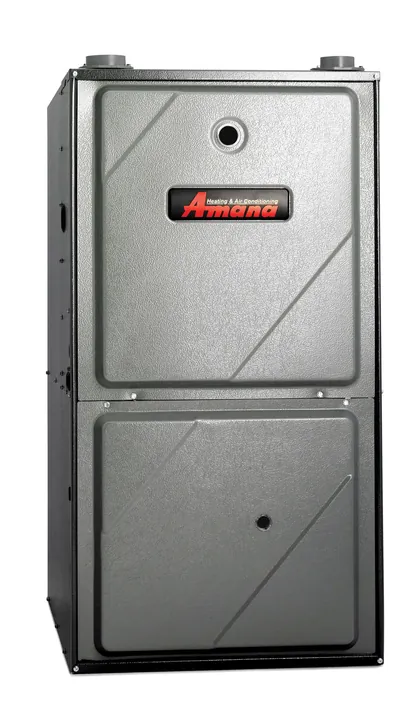
After several failed attempts to light, most modern furnaces lock themselves out, often for about an hour. Switching the power off and on resets it. Doing that once is fine; doing it repeatedly isn’t. The furnace is telling you a safety check is failing. Note the blinking LED code on the control board (see how to read it) and call a technician.
Why it’s worth fixing quickly
- Wear and tear: every start strains the ignitor, inducer and blower. Constant cycling shortens their life.
- Higher gas bills: a furnace is least efficient during its first minutes of each cycle.
- Comfort: the house never settles at the temperature you set.
- Safety: some causes, like a blocked vent or cracked heat exchanger, are carbon monoxide risks.
The $75 diagnostic is free when you go ahead with the repair, most repairs run $250 to $1,000, and you get the exact price before any work starts. See furnace repair in Las Vegas.
Furnace still cycling on and off?
Our technicians find the real cause, not just the symptom. 24/7, average emergency response under one hour.
Call (702) 793-2080More heating guides
-
Guide
Furnace Blowing Cold Air? Causes and Fixes
Quick checks you can do yourself, the nine usual causes, and when to call a technician.
-
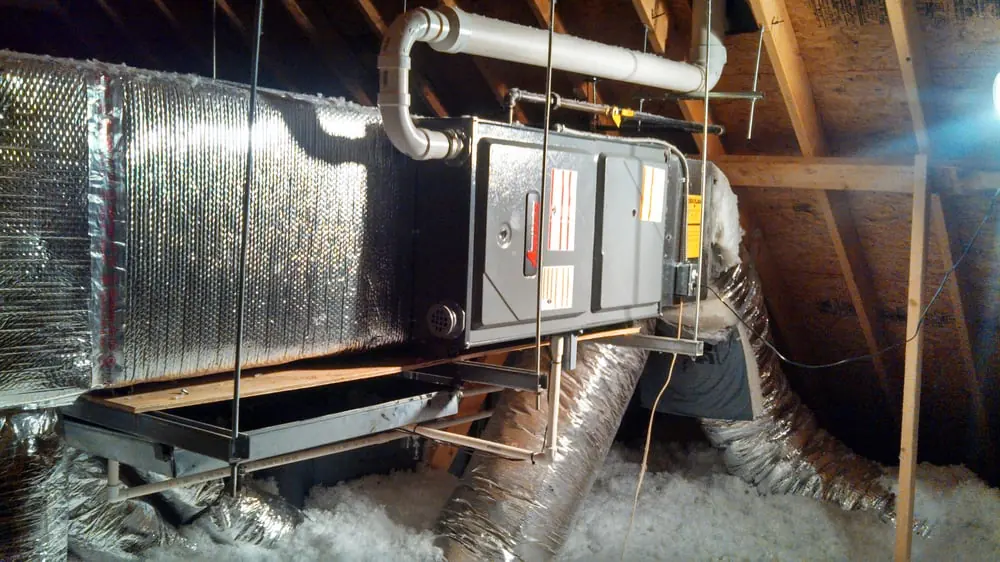
Guide
Furnace Repair Cost in Las Vegas
Real local prices: the $75 diagnostic, typical repair costs, replacement prices and how to save.
-
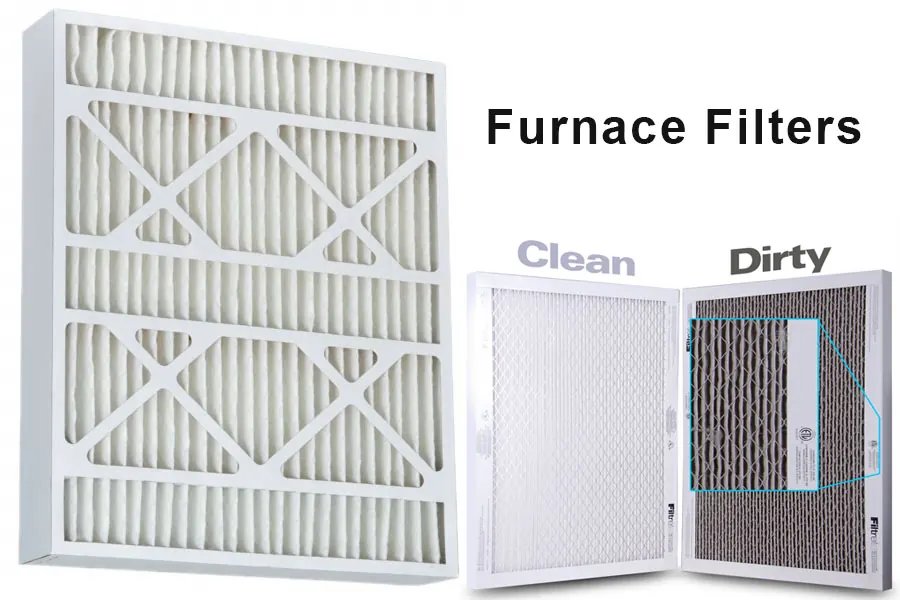
Guide
Everything to Know About AC Furnace Filters
What your filter does, which type to buy and how often Las Vegas homes should change it.
FAQ
Furnace Short Cycling FAQ
Why does my furnace turn on and off every few minutes?
That’s short cycling. The most common causes are a clogged filter tripping the high-limit switch, a dirty flame sensor, a blocked vent pipe, a clogged condensate drain on a 90% furnace, or a thermostat placed near a heat source.
Why does my furnace light and then shut off after a few seconds?
Usually a dirty flame sensor. It can’t confirm the flame, so the furnace shuts the gas off for safety. Cleaning or replacing the sensor is a quick, inexpensive repair.
Is short cycling dangerous?
Often it’s just a dirty filter, but some causes, like a blocked flue or a cracked heat exchanger, can be carbon monoxide risks. Keep working CO alarms in the home, and call a technician if short cycling continues after you replace the filter.
Can an oversized furnace cause short cycling?
Yes. A furnace that’s too big heats the space near the thermostat too fast, shuts off, and repeats while other rooms stay cold. The real fix is a correctly sized system.
Should I keep resetting my furnace when it locks out?
One reset is fine. Repeated resets just repeat the failing safety check. Write down the blinking error code and call a technician.
Still cycling on and off? We’ll find out why.
Certified heating technicians on two shifts, 24 hours a day. Upfront pricing before any work starts.