
Everything to Know About AC Furnace Filters
 By Ali Manafi
Retired air conditioning technician · 20 years’ experience · former NATE-certified technician
Your furnace filter is the cheapest part of your heating system and one of the most important. It protects the furnace from dust and debris, keeps your air cleaner, and, when it’s neglected, is one of the most common reasons a furnace overheats and shuts down. Here’s what Las Vegas homeowners should know.
What does a furnace filter do?
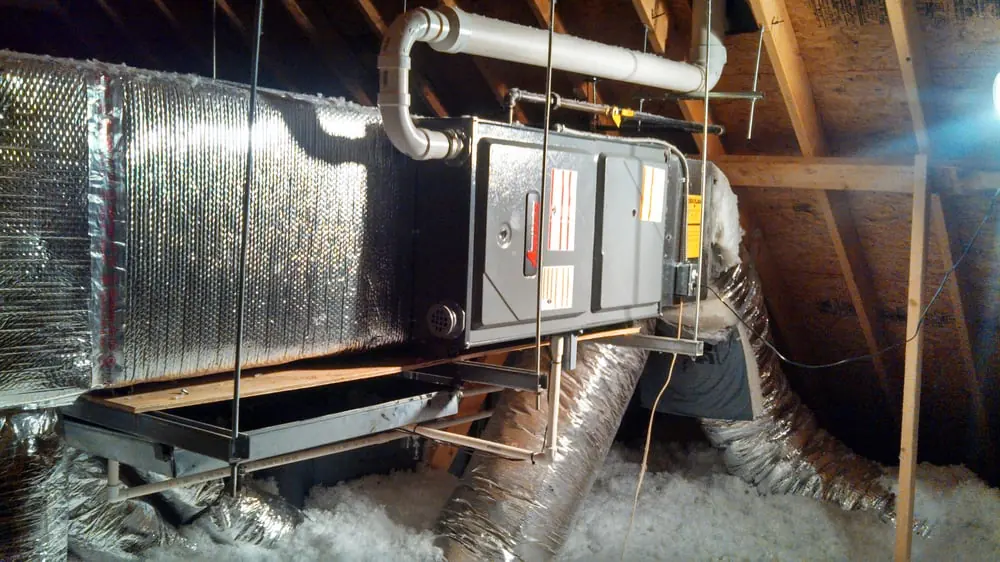
Your furnace (and air conditioner) pulls air from the house through the return vent, heats or cools it, and blows it back out through the supply vents. The filter sits in that return airflow and catches dust, lint, pet hair and other particles before they reach the blower and the heat exchanger. That keeps the equipment clean and efficient, and keeps some of those particles out of the air you breathe.
How air moves through your system
- Room air is drawn into the return vent and through the filter.
- The blower pushes the filtered air across the furnace’s heat exchanger (or the AC coil in summer).
- The warmed air travels through the ductwork and back into your rooms through the supply vents.
- The cycle repeats every time the system runs, and the filter catches more with each pass.
Types of furnace filters
Disposable filters
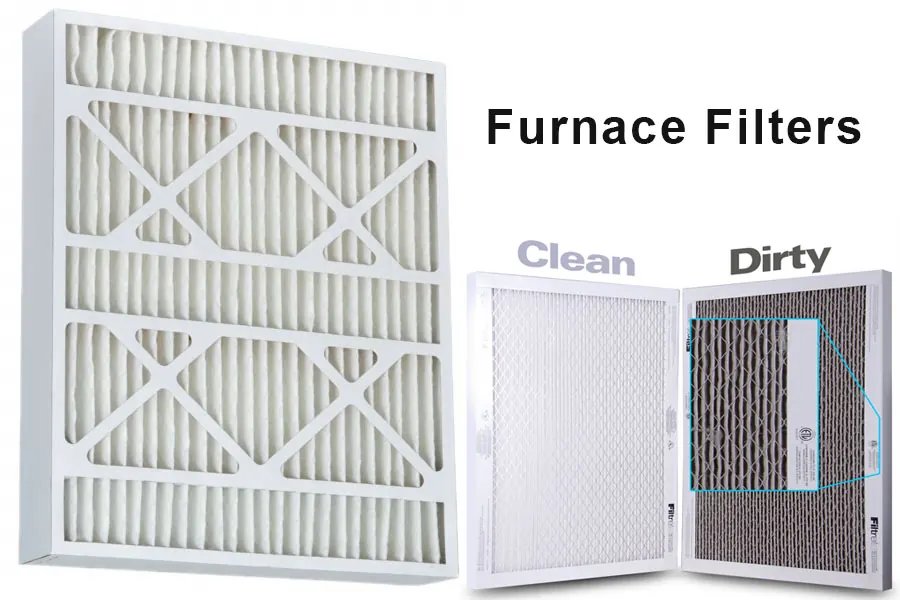
- Fiberglass filters are the cheapest option. They stop larger particles and protect the furnace, but let fine dust and allergens through. Replace them monthly. Not the best choice for anyone with asthma or allergies.
- Pleated filters, made of polyester or cotton paper, capture much smaller particles, including pollen, mold spores and dust mite debris, at a reasonable price. A good everyday choice for most homes.
- Disposable electrostatic filters use self-charging fibers that attract and hold small particles. They’re affordable and effective at catching fine dust.
Reusable filters
- Washable electrostatic filters work on the same static-charge principle but can be cleaned and reused for years. A good fit for homes with smokers or lots of fine dust, as long as you clean them regularly.
- High-efficiency 4–5 inch pleated media filters sit in a dedicated cabinet and capture very fine particles while still letting plenty of air through. They cost more up front, last longer between changes, and are the best choice for family members with allergies or respiratory conditions.
How often should you change your furnace filter?
- Standard 1-inch disposable filters: every month, or at least every two to three months.
- 4–5 inch media filters: typically every six to twelve months. Follow the manufacturer’s guidance.
- Washable filters: clean them regularly as the manufacturer directs, and replace them when they’re worn.
Homes with pets, allergies, smokers or nearby construction dust (common in a growing valley) should check filters more often. A filter that looks gray and clogged is overdue.
Don’t want to deal with it?
We’ll check and replace your filter during any heating maintenance visit or furnace repair call, and recommend the right filter for your home.
More heating guides
-

Guide
Furnace Keeps Shutting Off? Short Cycling Explained
Why a furnace turns on and off every few minutes, what you can check yourself, and when it’s a safety issue.
-

Guide
Furnace Blowing Cold Air? Causes and Fixes
Quick checks you can do yourself, the nine usual causes, and when to call a technician.
-
Guide
Furnace Repair Cost in Las Vegas
Real local prices: the $75 diagnostic, typical repair costs, replacement prices and how to save.
FAQ
Furnace Filter FAQ
Can a dirty filter make my furnace shut off?
Yes. A clogged filter starves the furnace of airflow, it overheats, and the high-limit safety switch shuts the burners off. Changing the filter is the first thing to check when a furnace short-cycles.
Does the same filter work for heating and air conditioning?
In most homes, yes. The furnace and AC share one blower and one filter, so in Las Vegas it’s working almost all year.
Which furnace filter is best for allergies?
A high-efficiency 4–5 inch pleated media filter, or a quality 1-inch pleated filter if your system can’t take a media cabinet.
Cold house? Let’s get everyone warm again.
Certified heating technicians on two shifts, 24 hours a day. Upfront pricing before any work starts.